Chassis No.
2626
{{lr.item.text}}
{{bidding.lot.reserveStatusFormatted}}
Mercedes-Benz’s genesis story is well-known—how, long before Daimler and Benz’s merger, the famous name got its start with the former, when French businessman Emil Jellinek willed the creation of larger, more powerful, more modern models, named for his daughter. Mercedes was the first truly modern automobile, with the advanced layout that would eventually be copied by all successful competitors.
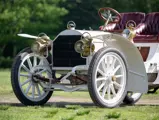
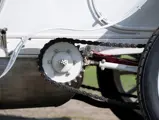
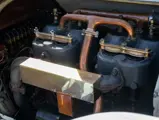
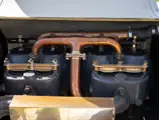
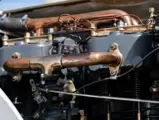
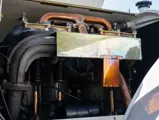
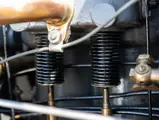
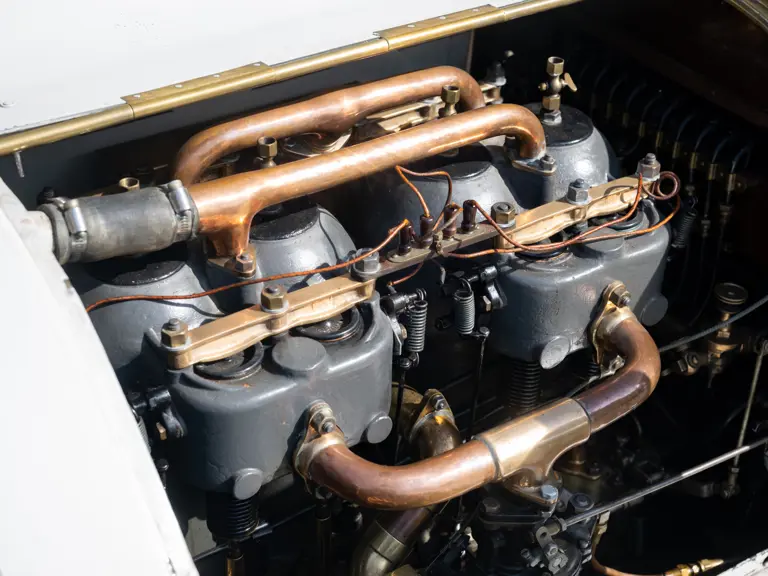
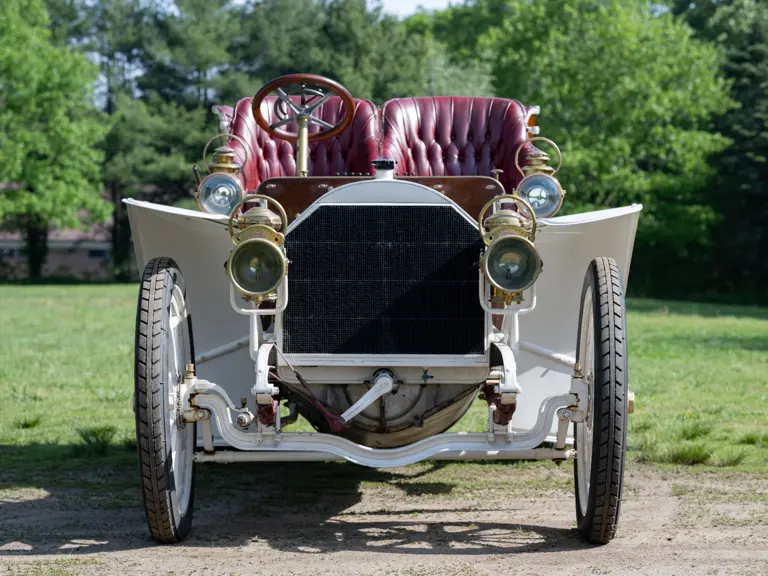
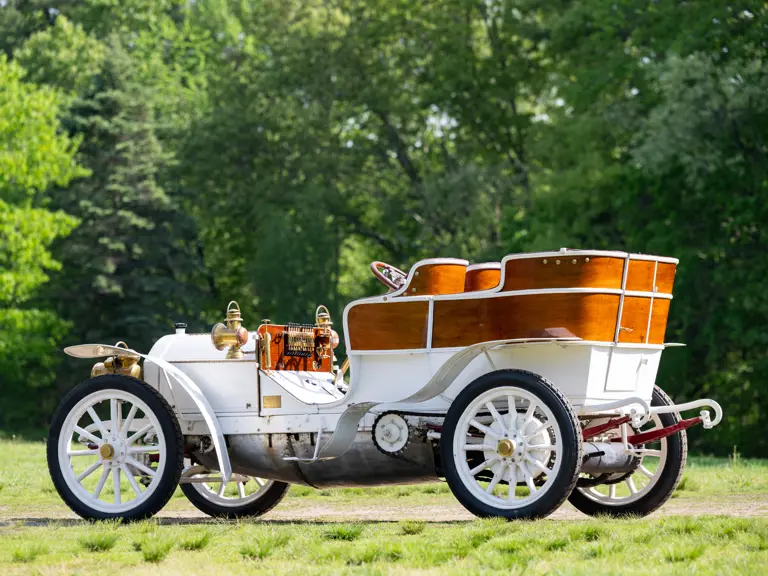
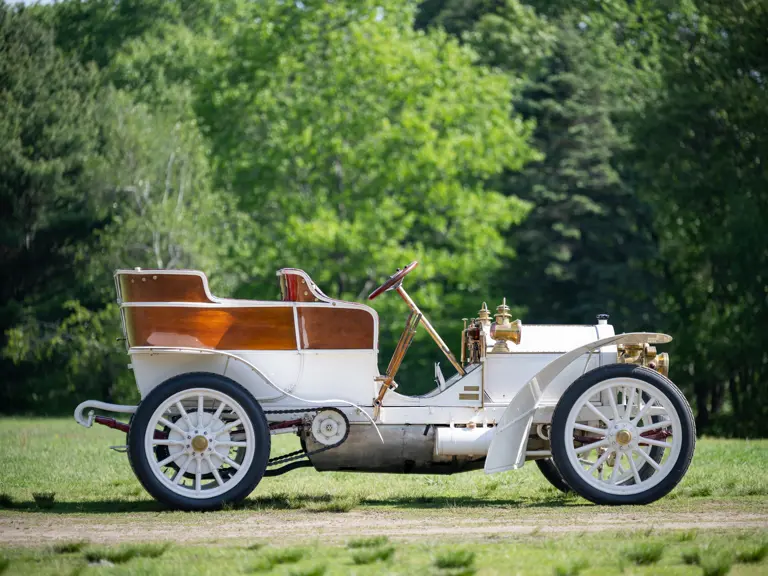
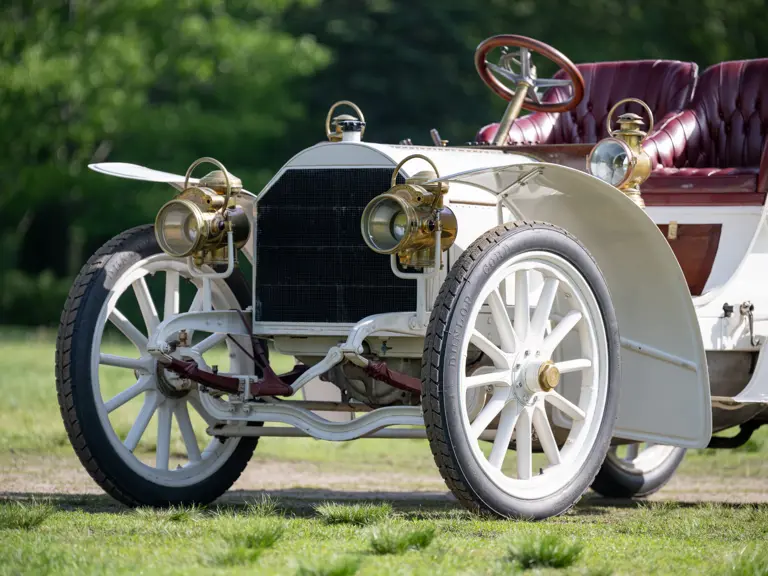
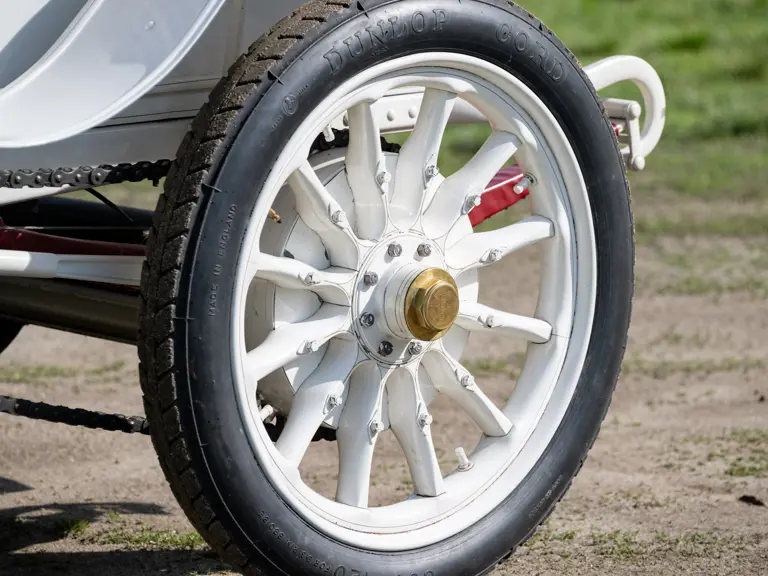
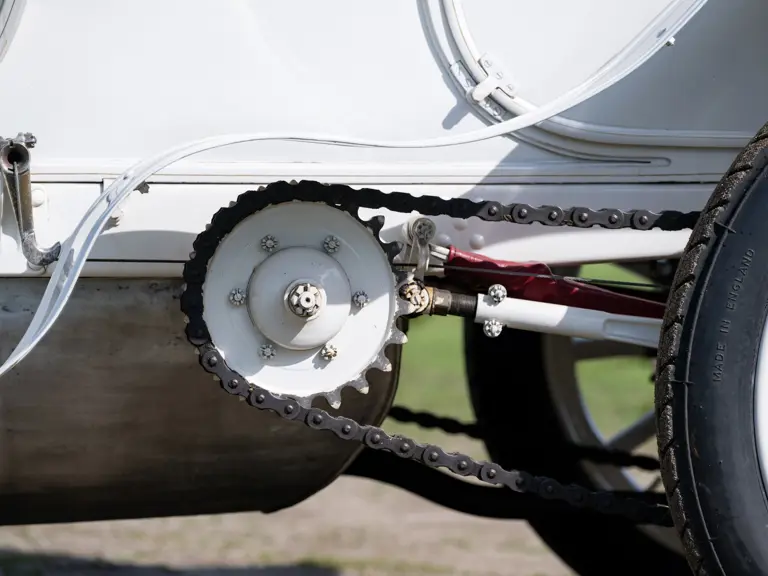
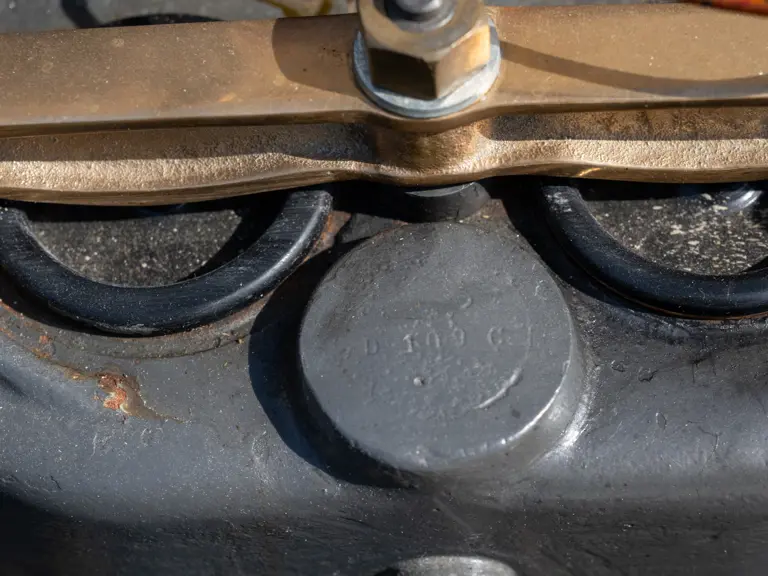
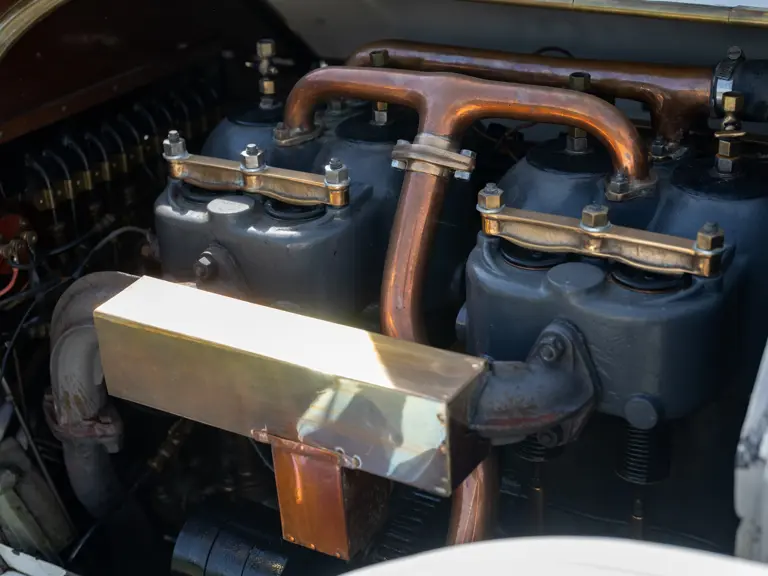
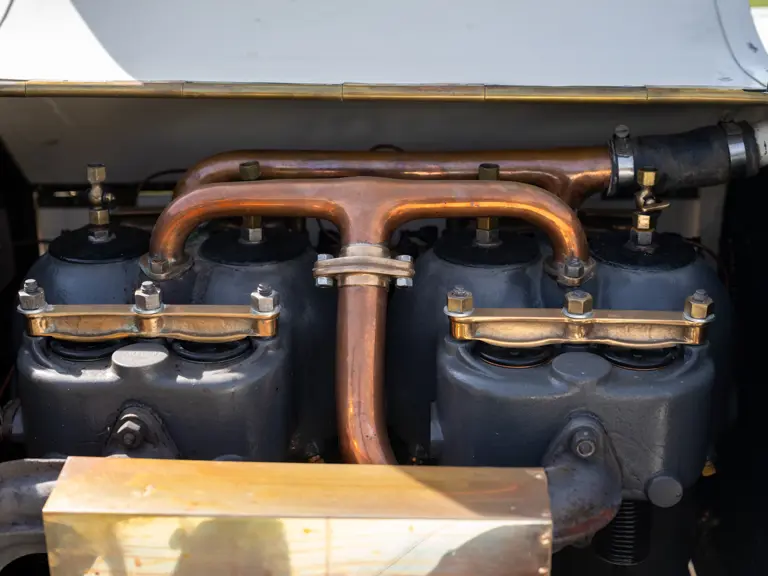
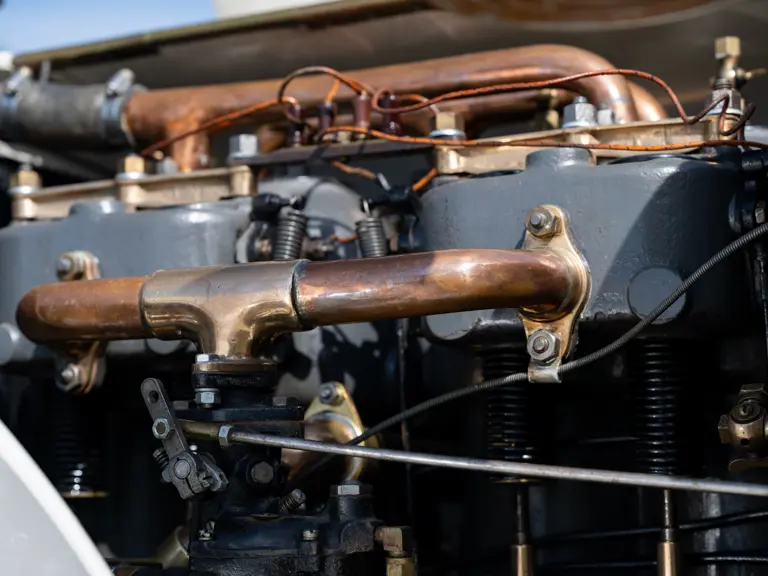
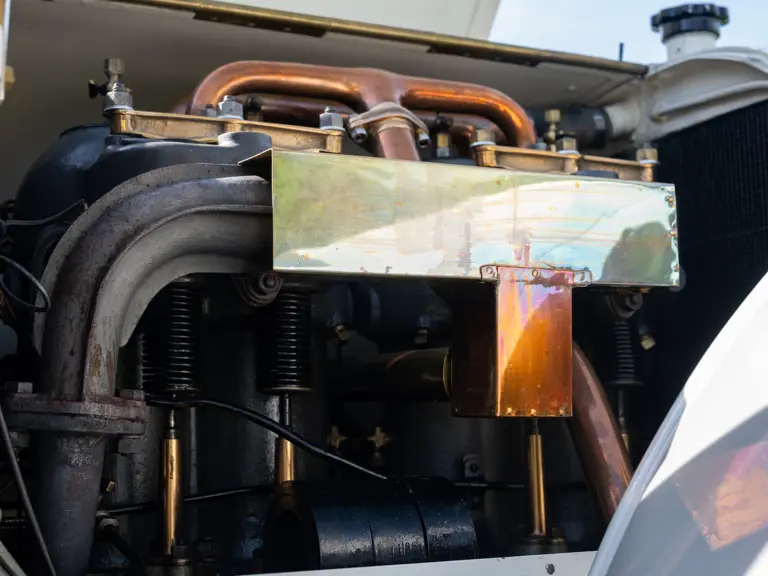
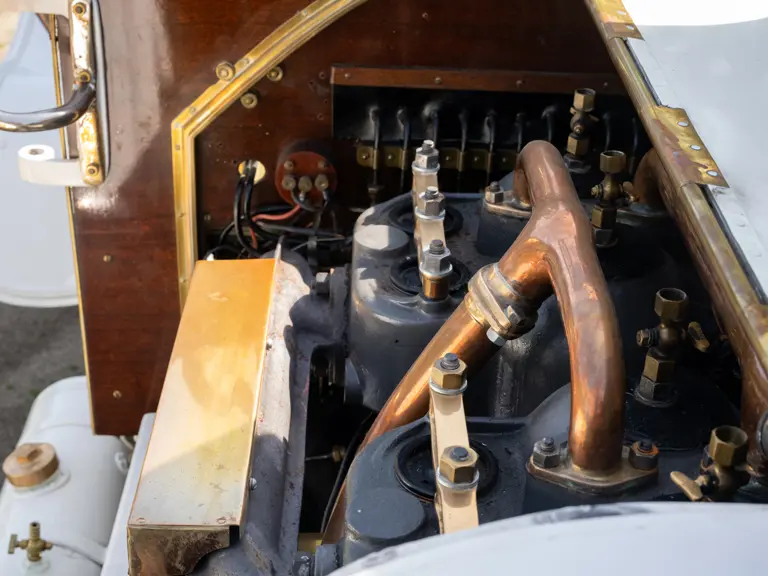
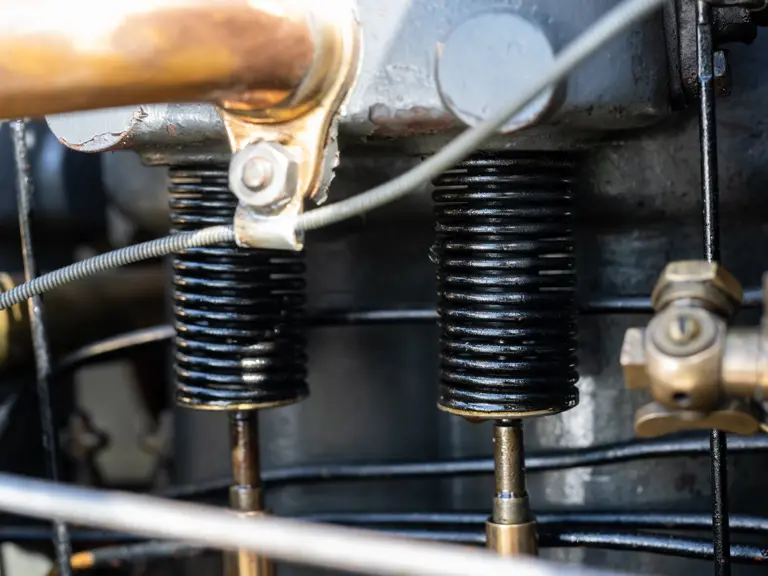
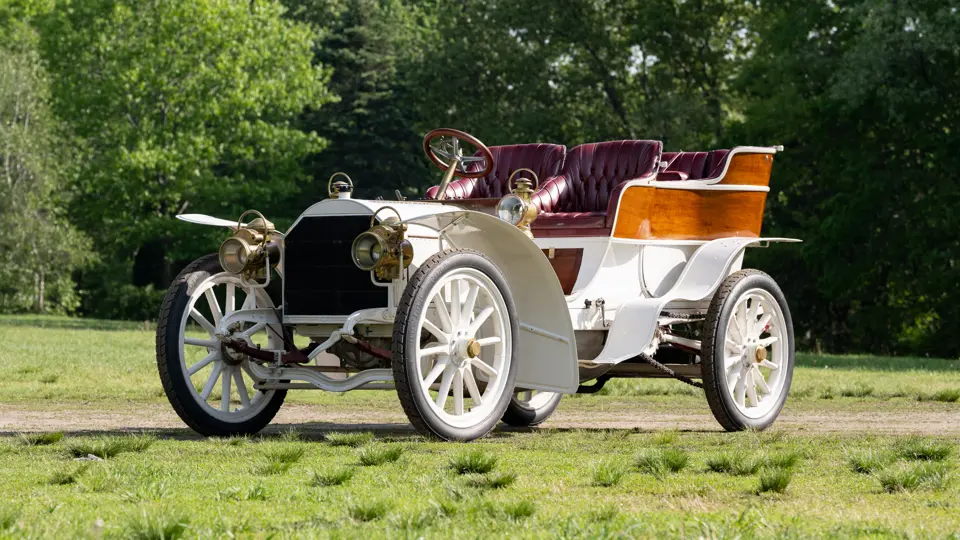
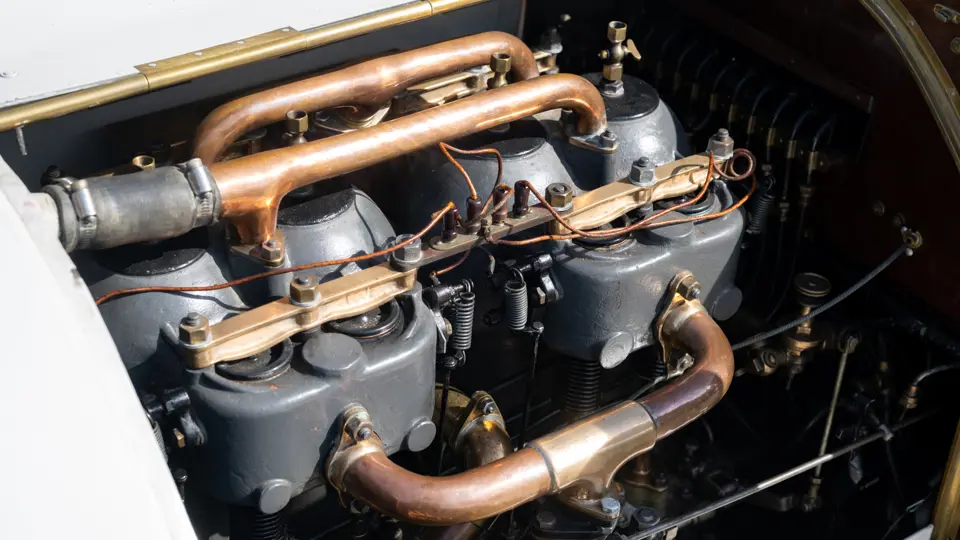
Its 40 HP model, introduced in 1903, was, quite simply, a titan. In an era where roads were still filled with horses, with the occasional emergence of tiny horseless carriages with thumping single-cylinder engines, the Mercedes Simplex carried a massive 6.7-liter T-head four with its valves operated by two camshafts in the crankcase, cooled by a modern honeycomb radiator and delivering its 40-plus horsepower through an industry-first four-speed gearbox with H-pattern gearchange and double chain drive. All of this technology sat in the first ever modern C-channel steel frame. Yet great care was taken to engineer the car beautifully and strongly, so that it would be capable of churning over rough roads. The result was the first true “driver’s car,” in which the operator had full control over all aspects of his automobile and, with the H-pattern gearshift, could select a gear anytime it was needed.
It was an impressively built machine in stature, stamina, and force, and priced appropriately as one of the costliest automobiles on either side of the Atlantic.
AN “AMERICAN” MERCEDES
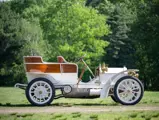
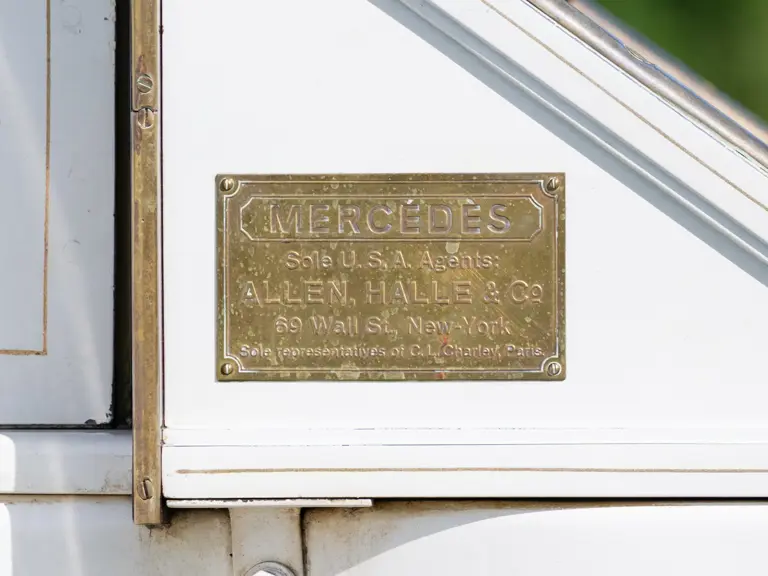
Chassis number 2626 was ordered from Daimler on 3 July 1903, with an initial delivery date to Parisian dealer C.L. Charley on 26 October 1904; the latter date, however, is marked out on the factory ledger, with a new delivery date to Allen, Halle & Company of New York City, in either March or May of 1905. The engine block in the car is stamped 30 July 1904, indicating the car was completed at the factory around that date. An unusual span of time passed nonetheless between the order and actual delivery. Allen, Halle had bought out all of Charley’s inventory and orders in June of 1904, resulting in a transition of ongoing US-bound orders into the former’s auspices by 1905.
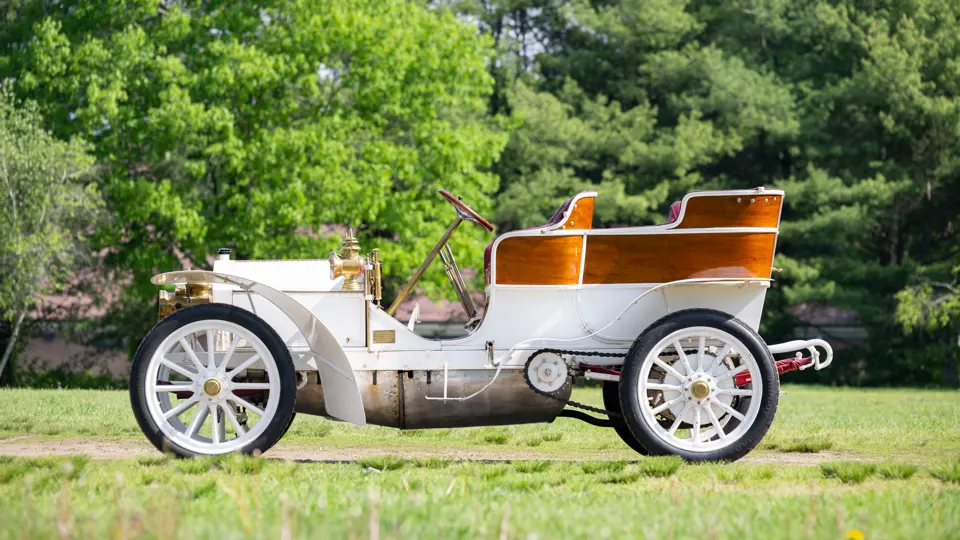
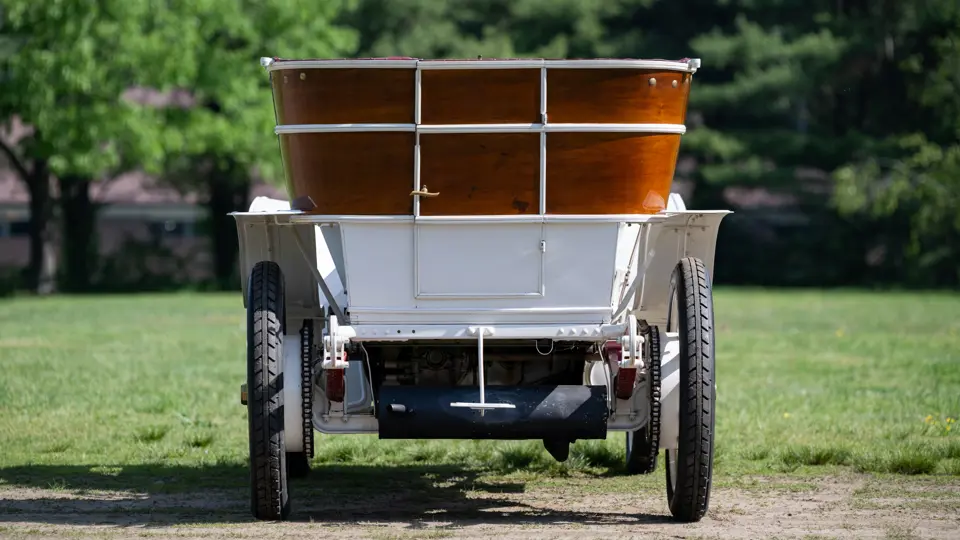
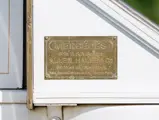
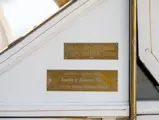
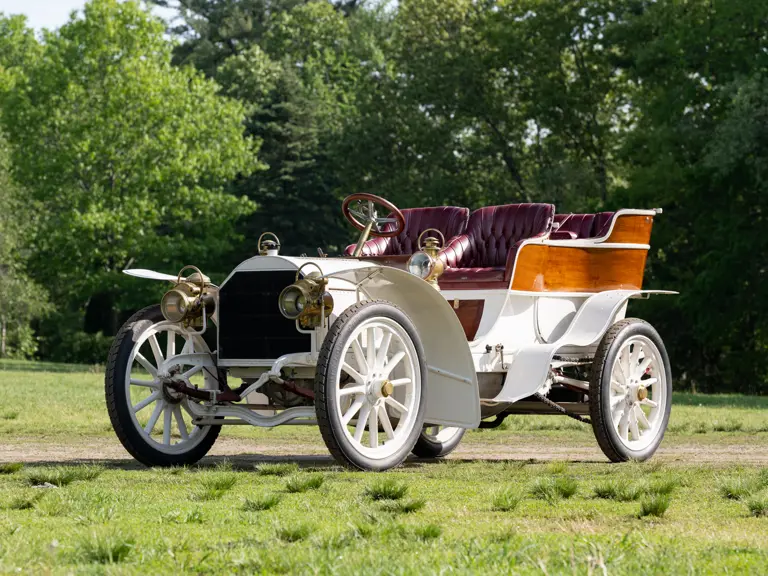
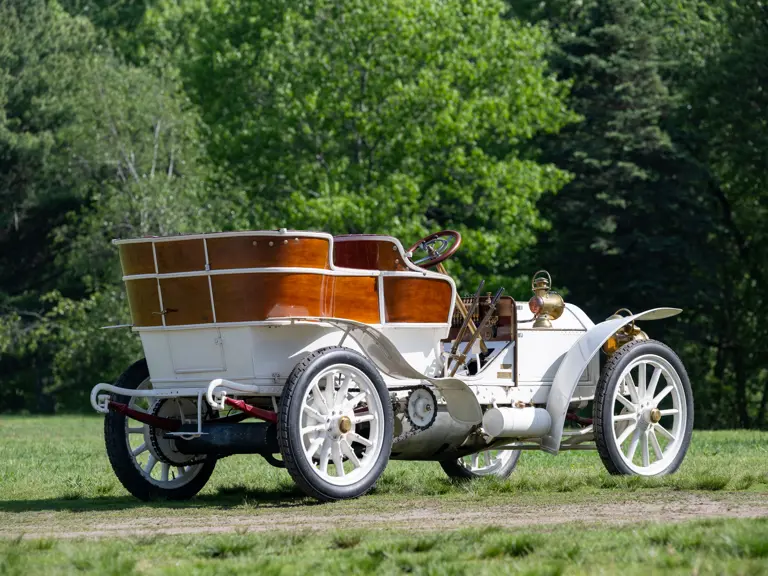
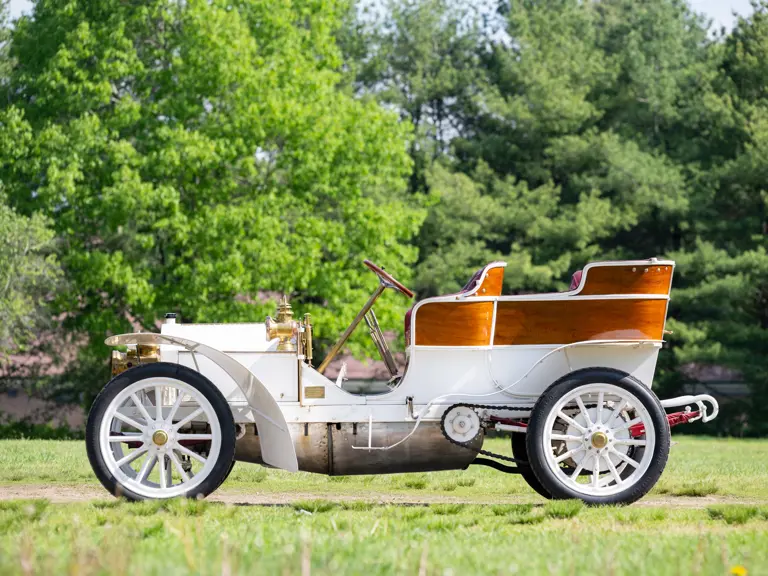
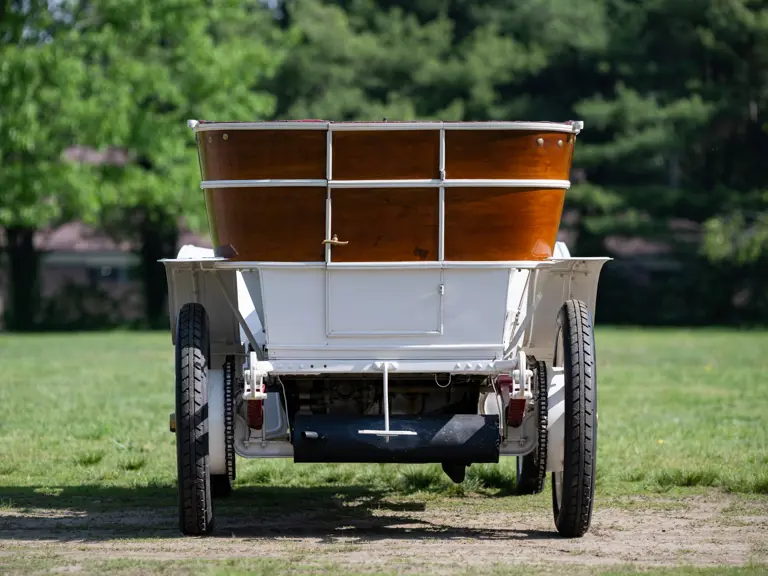
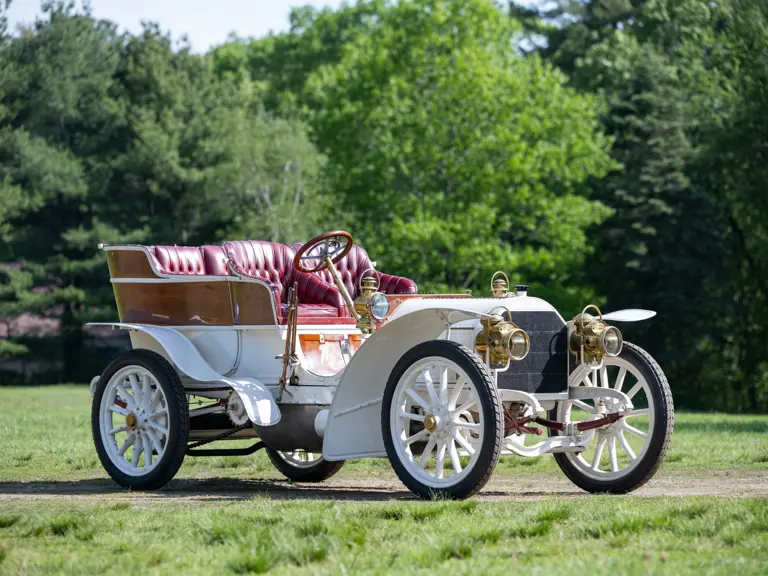
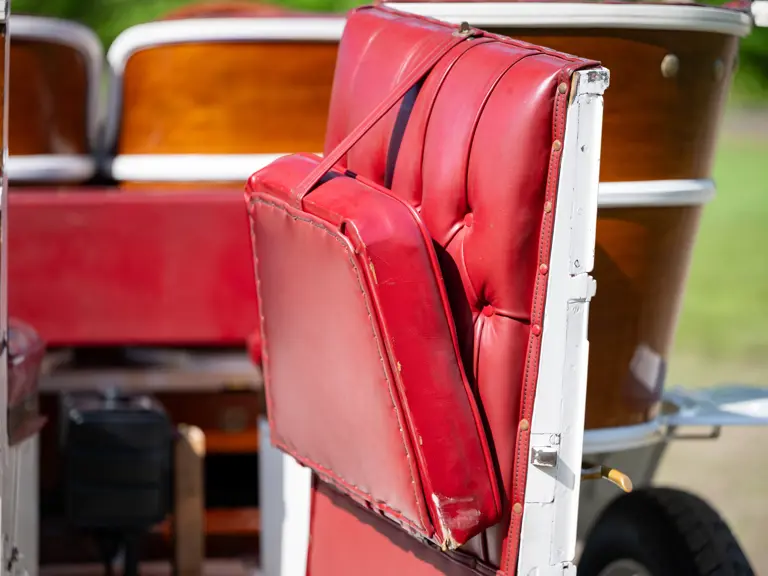
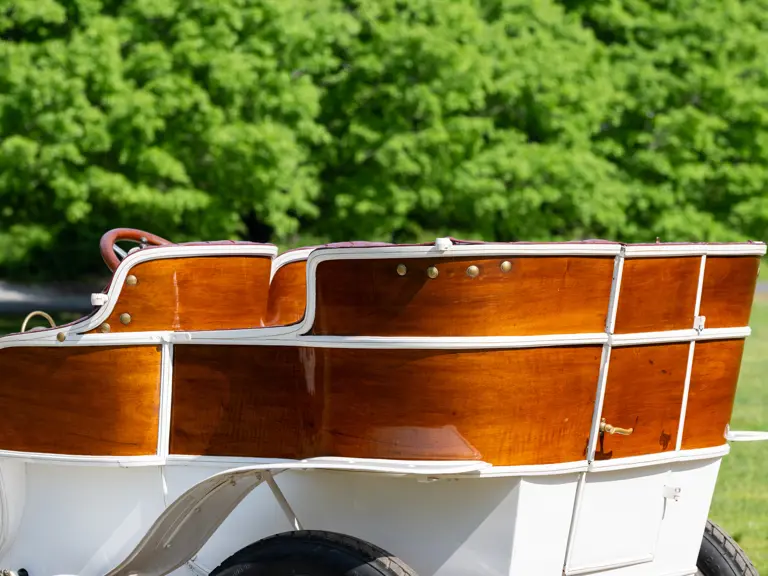
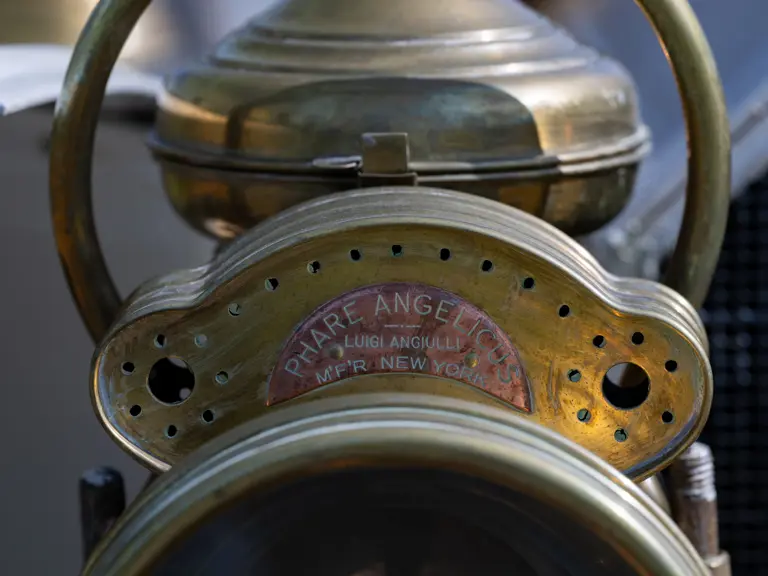
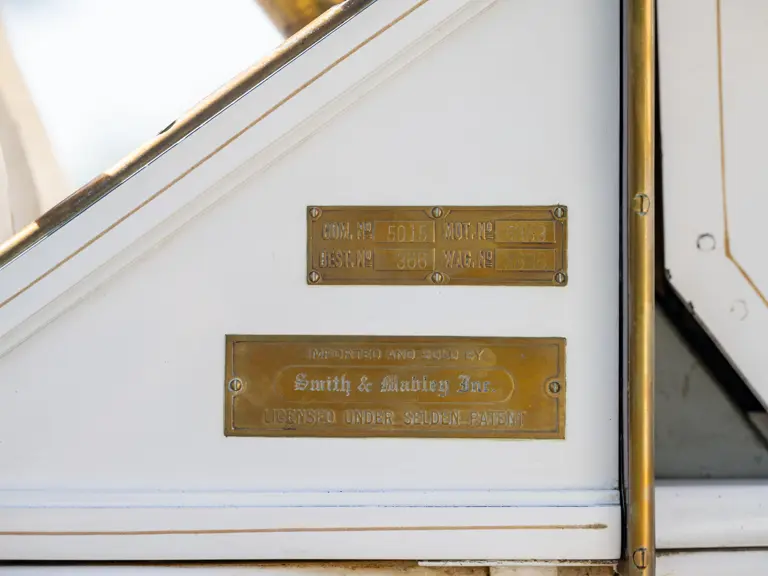
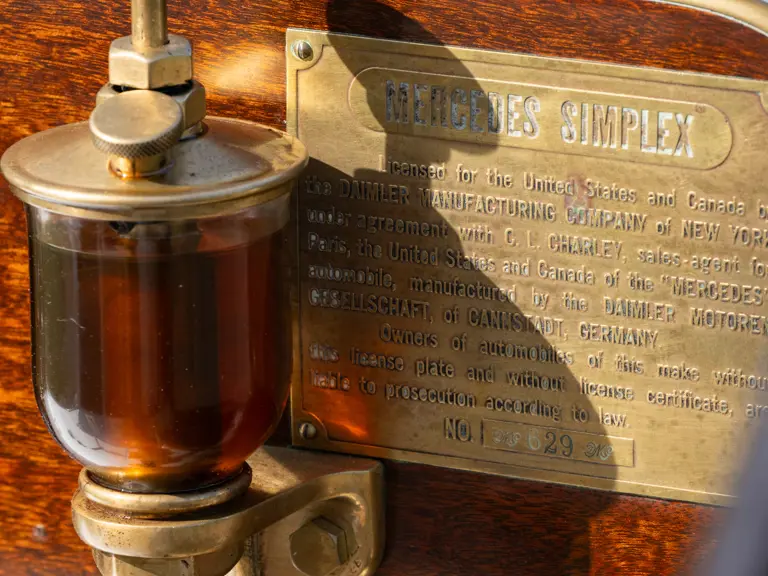
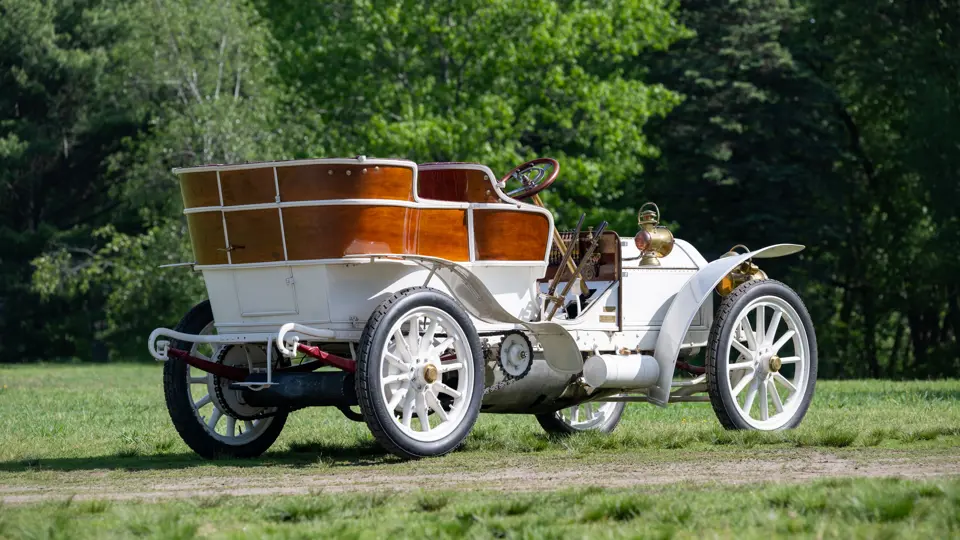
However, the full year and a half that passed between commission and delivery was likely due to more than a simple change in representation. Advertisements first appearing in print in December 1904 for Daimler Manufacturing of America features what is described as being an “American Mercedes,” of the type soon to be briefly manufactured in Queens by Steinway. Photographs in the advertisement clearly depict what is believed to be this car, the same mechanically as those soon to be produced under license in the States, but two feet shorter and with distinctively European rear-entrance coachwork, more of a 1901–1903 design, as was never mounted to the US-built cars. Further, chassis number 2626 is badged as an American Daimler, further indicating the bit of mild subterfuge as Mercedes sought to convince American buyers that production had begun on their shores.
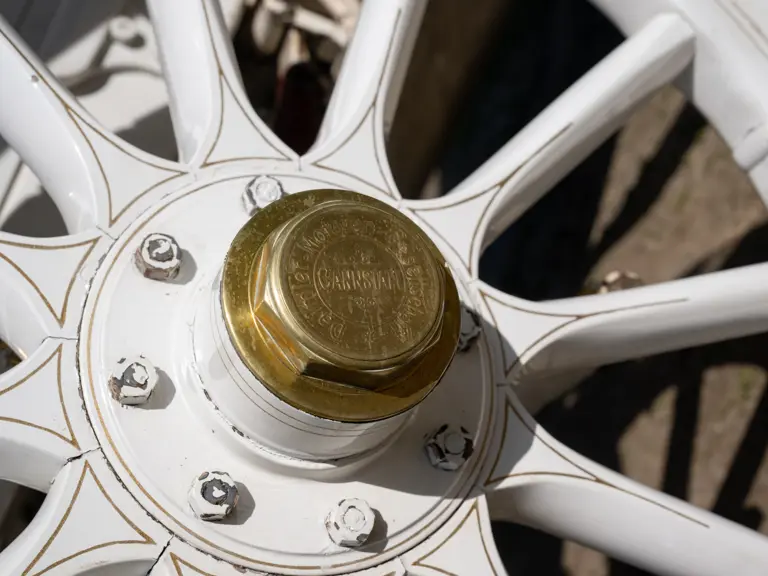
The need to supply an intact automobile for advertisement would also explain the delivery Stateside of a 40 HP complete with Cannstatt-built coachwork, identified by its design, metric fittings, and significantly higher invoice cost noted on the factory records—a proposition that was then so costly that even most American aristocrats bought chassis and had bodies built locally.
THE FINDING AND RESTORATION OF A REMARKABLE CAR
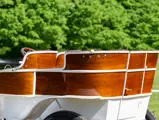
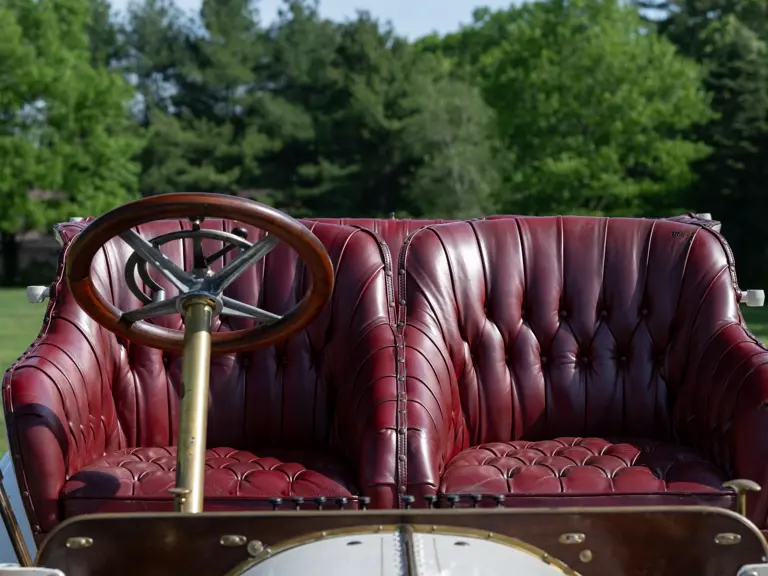
A photograph in the archives of the Simeone Foundation Automobile Museum shows what is clearly, line-for-line and trim-for-trim, this exact car in the 1930s. The photograph shows it fitted with a well-constructed, high-quality wood and leather fixed top with a fold-down windshield, likely added early in its American ownership (now fully restored, and still with the car). It was taken at the premises of George Waterman, who with his compatriot Kirk Gibson built inarguably one of the finest collections of Veteran and Brass Era motorcars beginning in the 1930s.
Waterman and Gibson famously acquired many of their cars from original ownerships, something still possible with cars that were at the time only a quarter-century removed from delivery, at most, and in an era when wealthy “automobilists” frequently expected to own their first car for the rest of their lives and maintained it accordingly. Most of the acquisitions were made locally in New England, in particular within their home state of Rhode Island, and so it is likely that chassis number 2626 was procured within the Ocean State. Longstanding legend has been that the car was Gladys Vanderbilt’s, but no proof of this has been uncovered.
Both Waterman and Gibson kept separate collections with separate inventories, although the cars were regularly housed together. The printed inventories that exist note that Waterman held what is described as a “Mercedes Touring, rear-entrance – 1903” and Gibson a “Mercedes Touring, rear-entrance – 1904.” Given the dating, it is thought that chassis number 2626 was Gibson’s.
The car remained in Waterman/Gibson auspices well into the 1960s, at which point it was procured by Thomas J. Watson, Jr. One of the most consequential American business leaders of his generation, Mr. Watson was the son of the founder of IBM Corporation, and as IBM’s second president between 1952 and 1971, is widely credited with having urged IBM’s entry into the computer market, which eventually became its sole focus and allowed it to continue as a titan of international capitalism. He was broadly active in philanthropy and diplomacy, serving as the United States Ambassador to the Soviet Union during the Carter Administration and as the 11th National President of the Boy Scouts of America, and eventually received the Presidential Medal of Freedom.
When it came to matters of leisure, Mr. Watson was a skilled aviator and yachtsman, and also enjoyed early automobiles. The 1904 Mercedes was restored under his care in 1971 by Wesley Ives and James Olmsted of Vermont, as noted in a newspaper article from that year. In 1974, Mr. Watson spurred the creation of the Owls Head Transportation Museum in Owls Head, Maine, as an educational collection of pre-war automobiles, aircraft, and other means of transport. He eventually donated much of his automobile collection to the museum, including the 1904 Mercedes, which was transferred to their auspices in 1977.
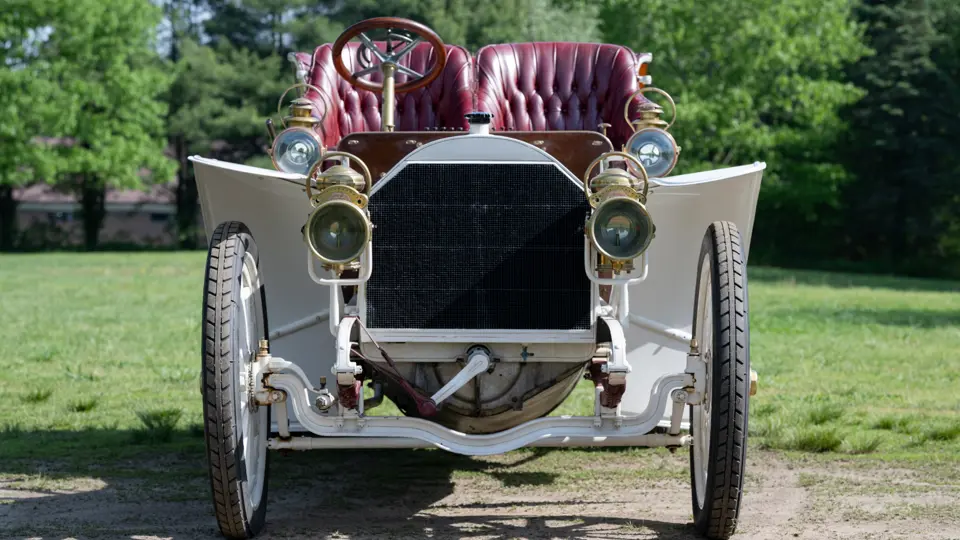
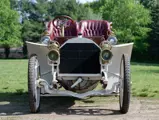
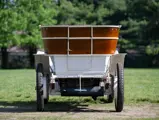
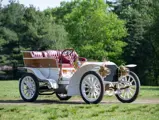
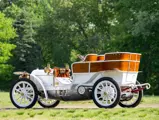
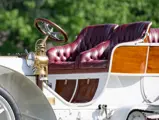
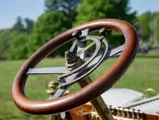
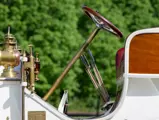
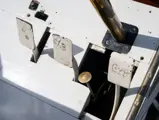
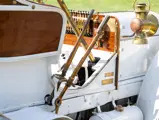
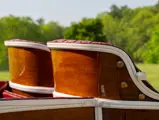
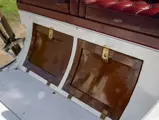
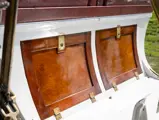
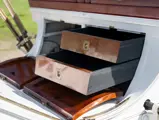
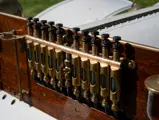
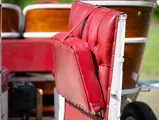
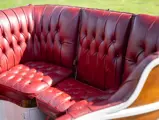
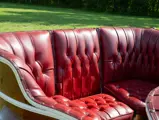
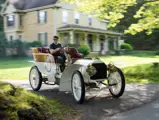
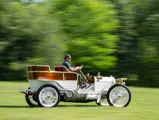
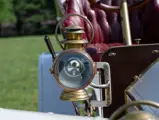
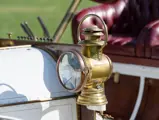
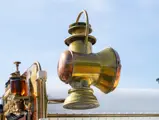
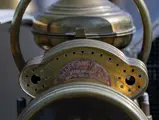
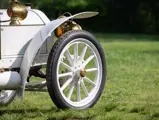
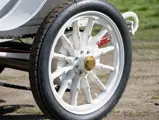
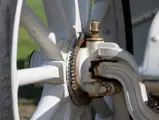
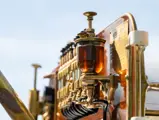
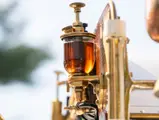
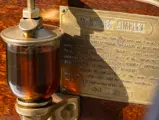
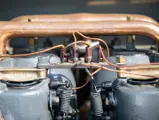
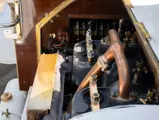
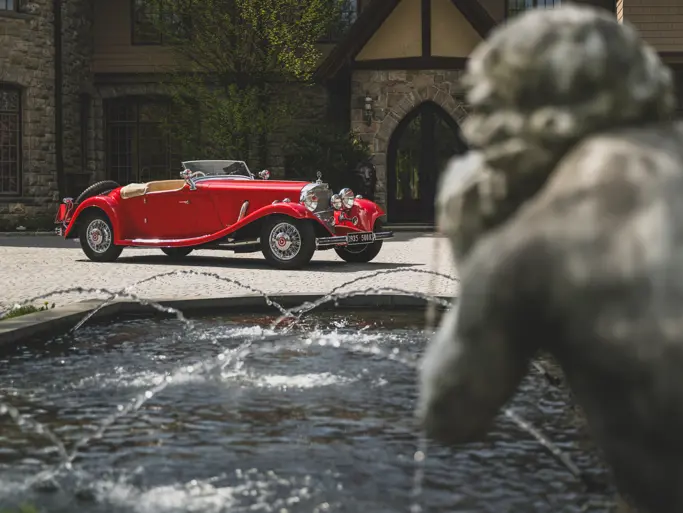
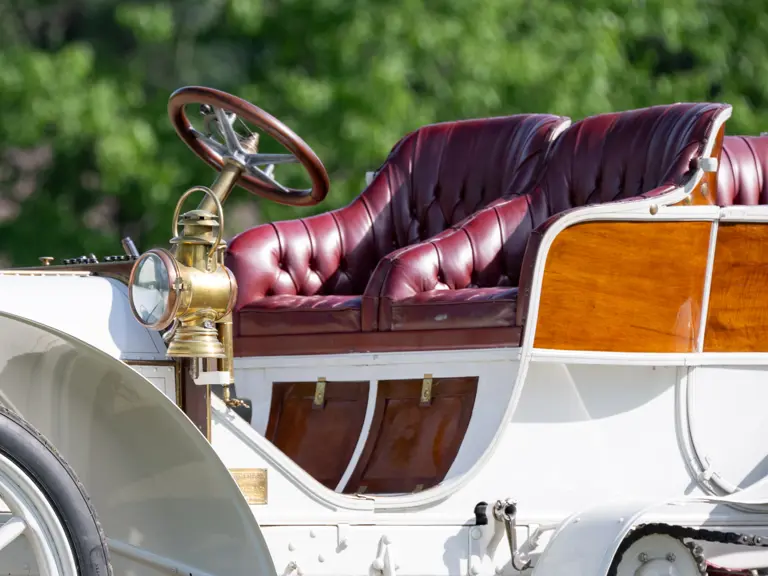
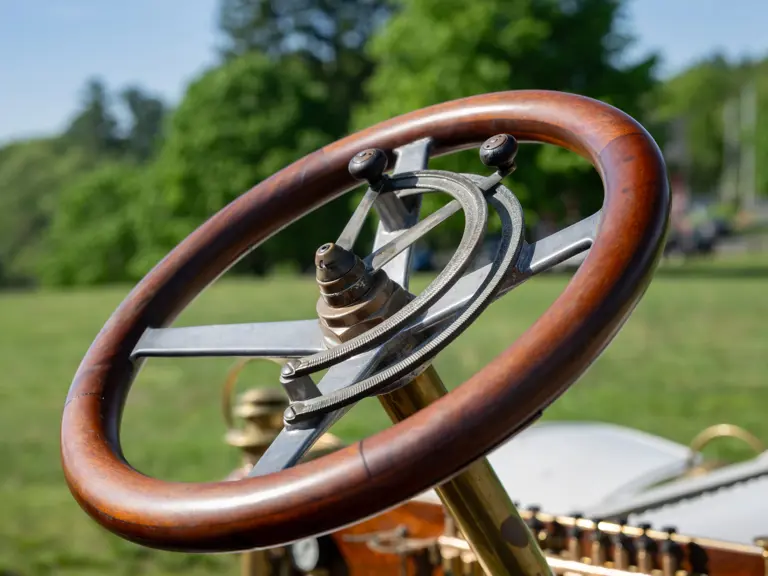
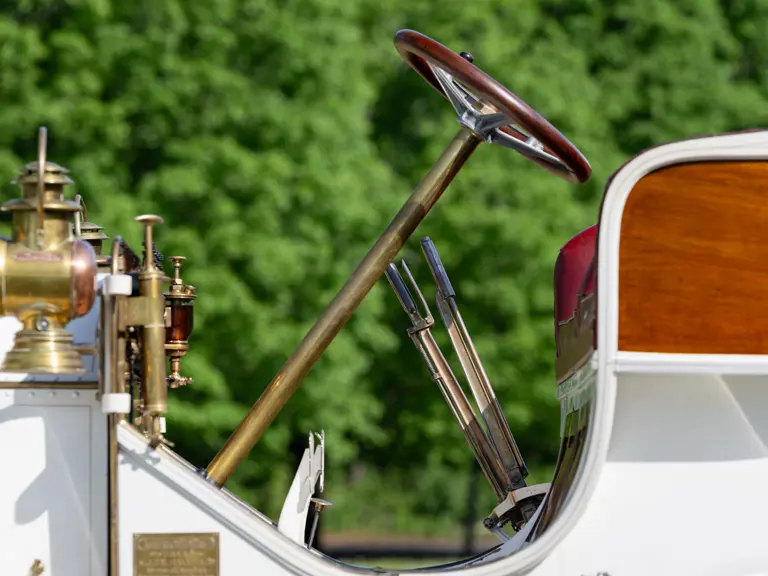
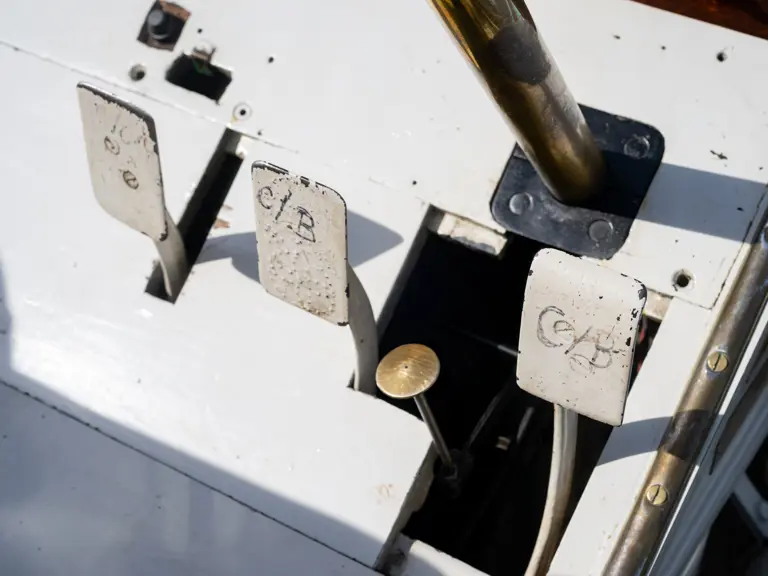
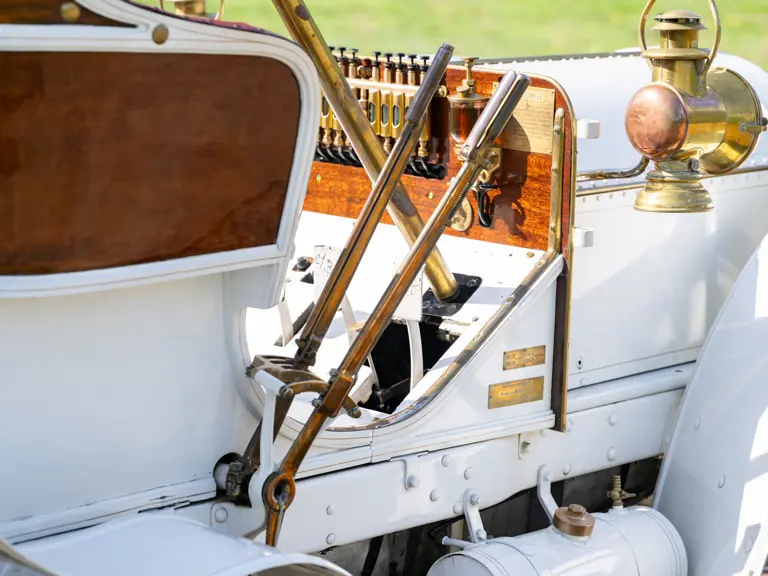
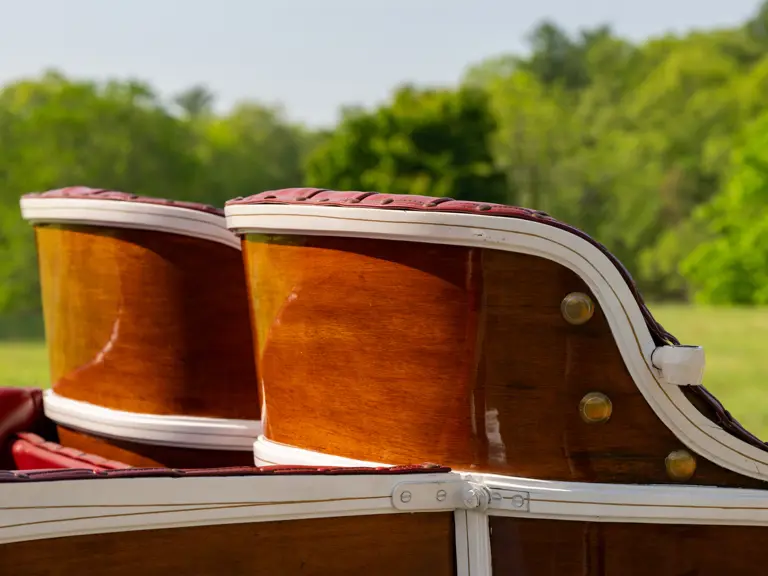
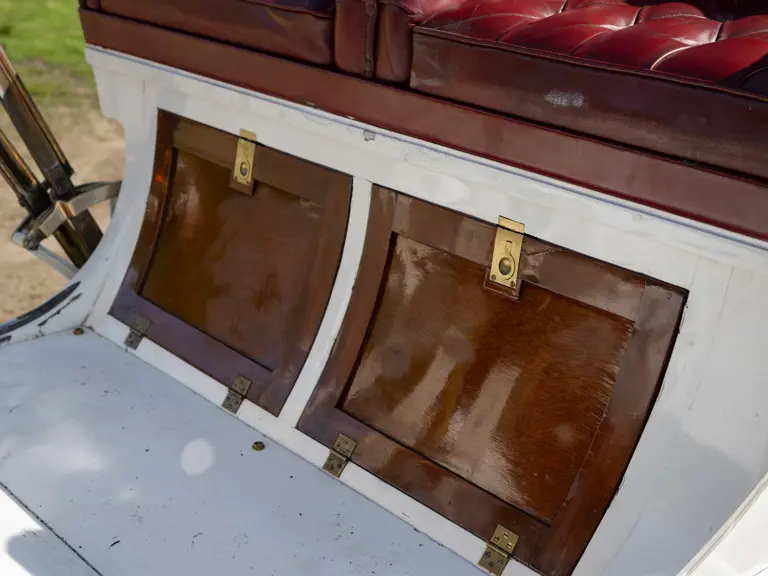
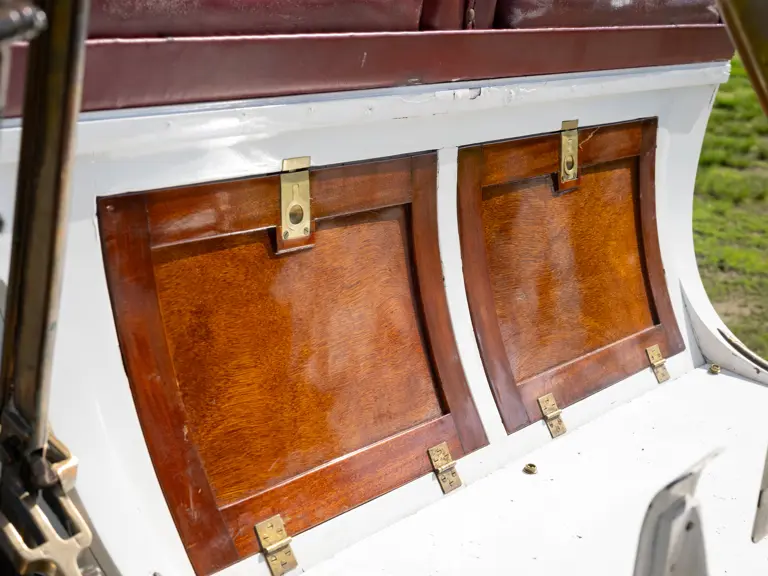
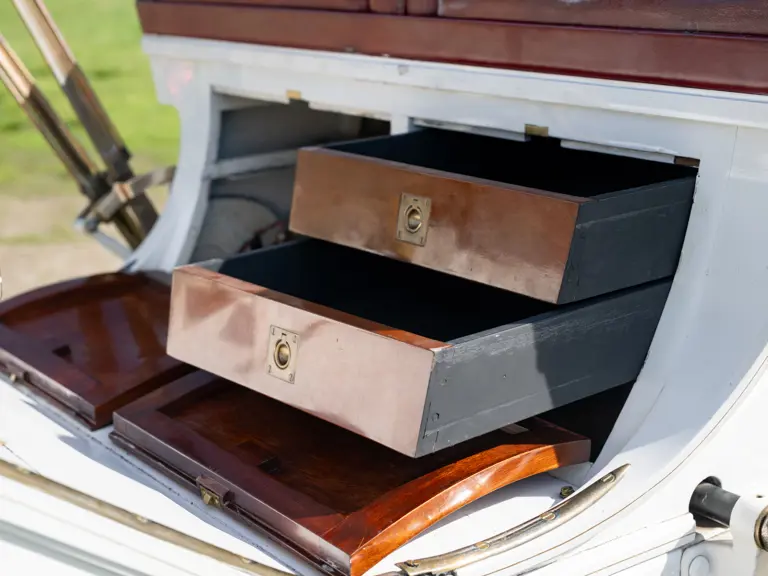
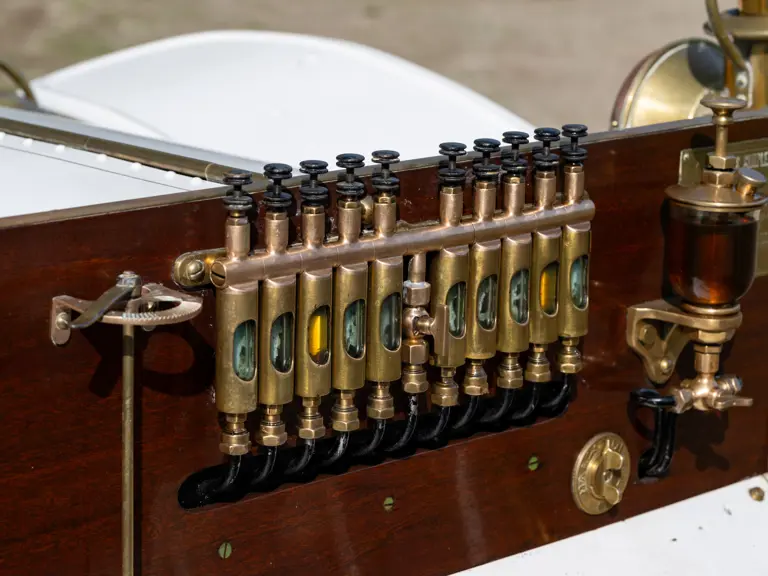
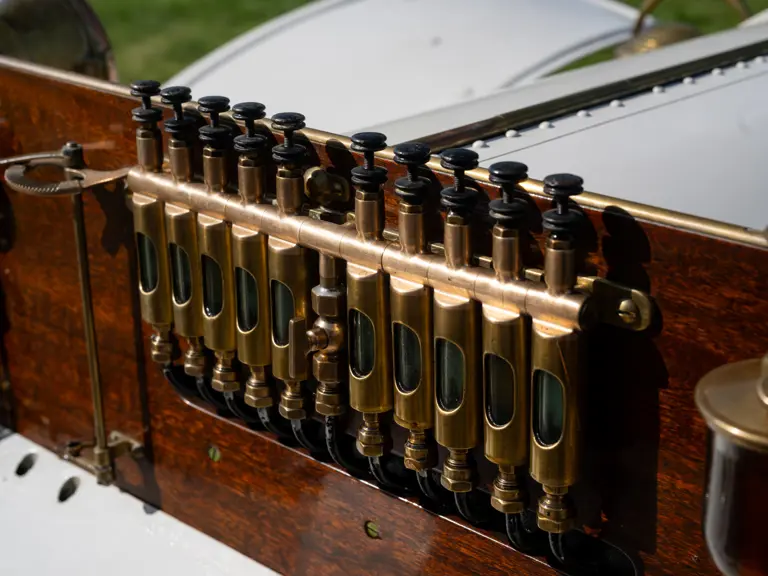
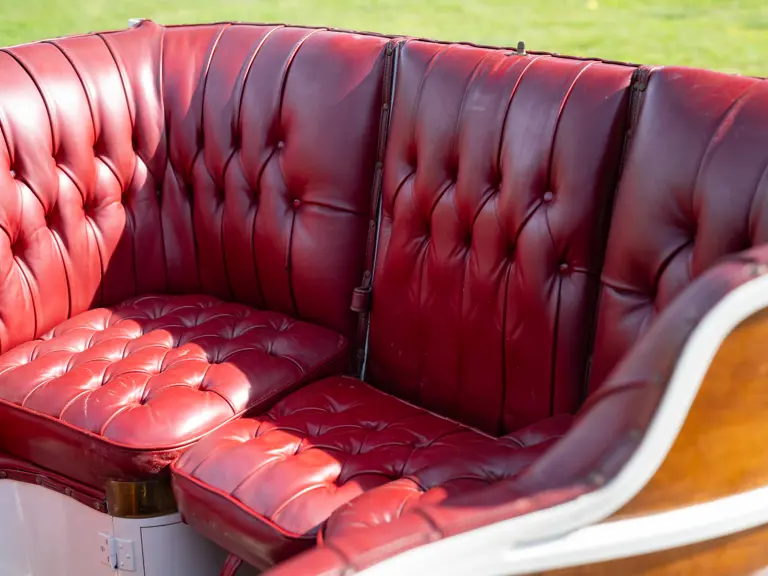
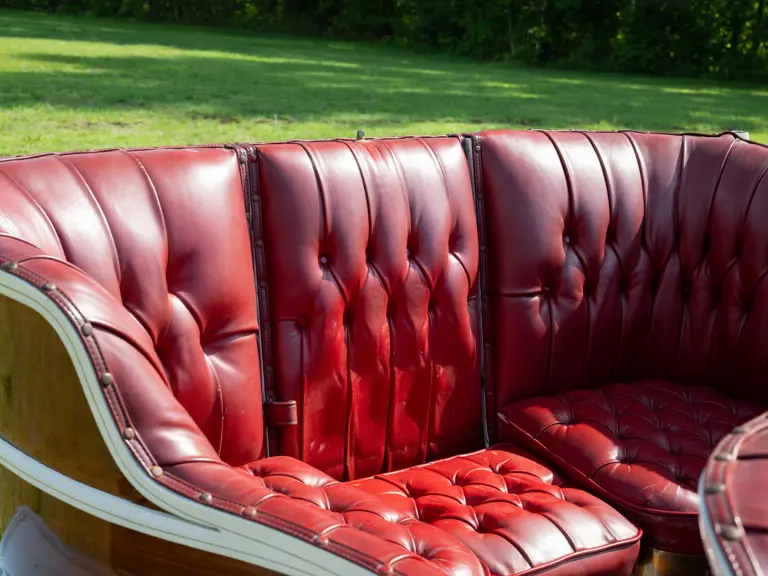
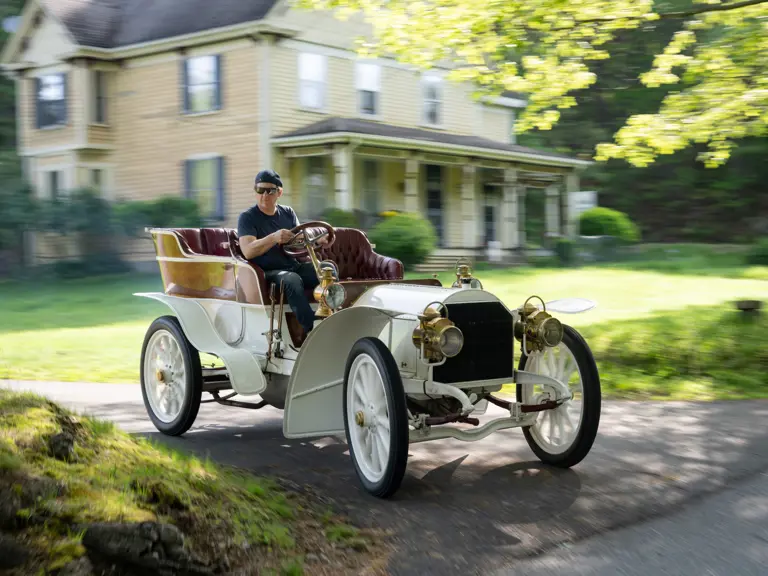
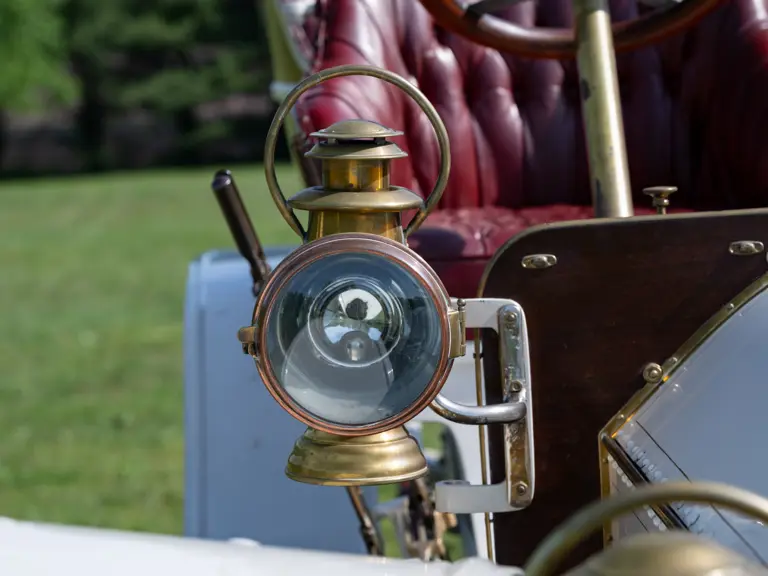
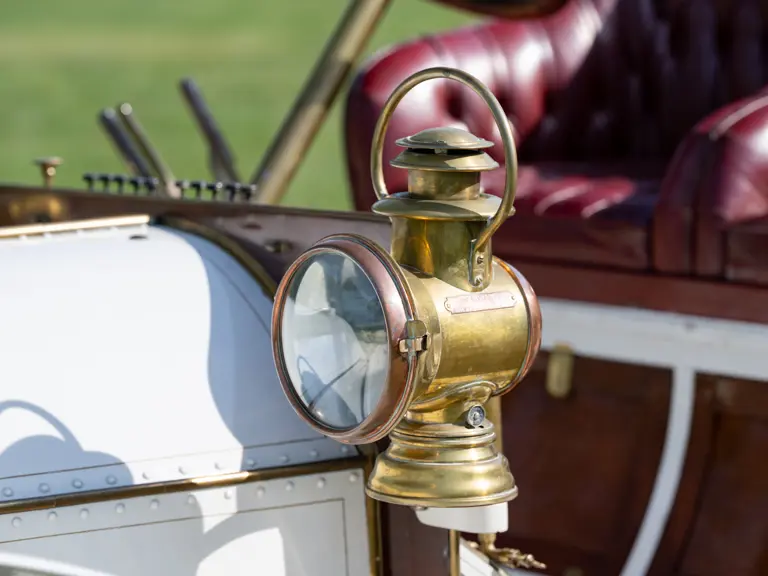
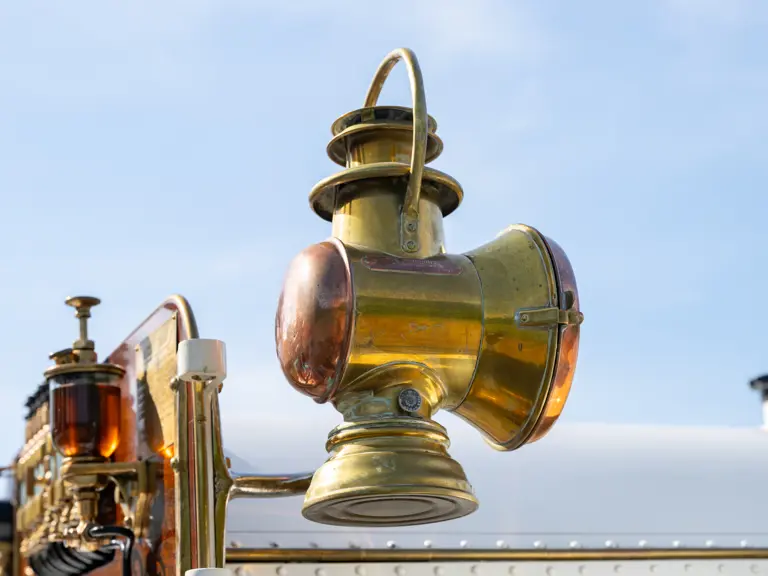
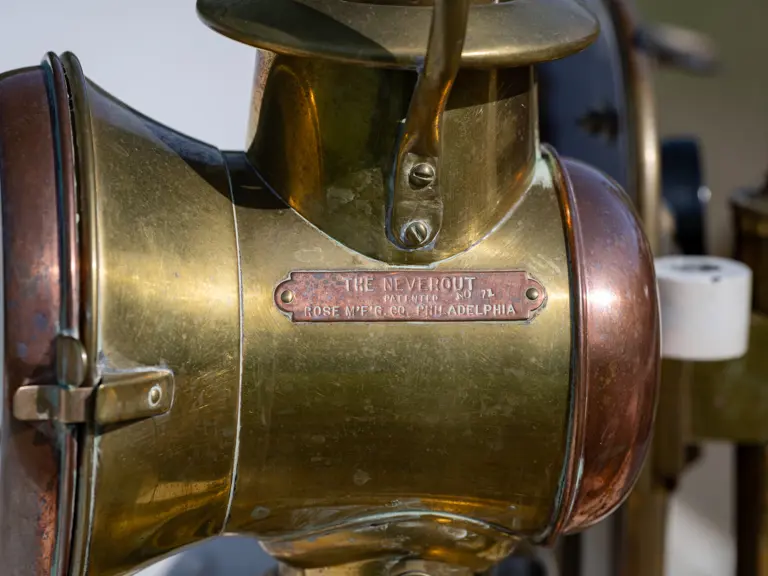
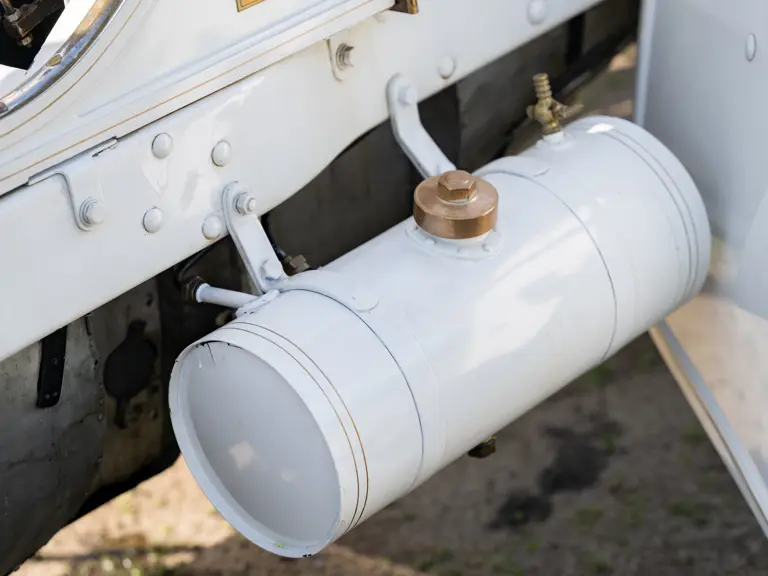
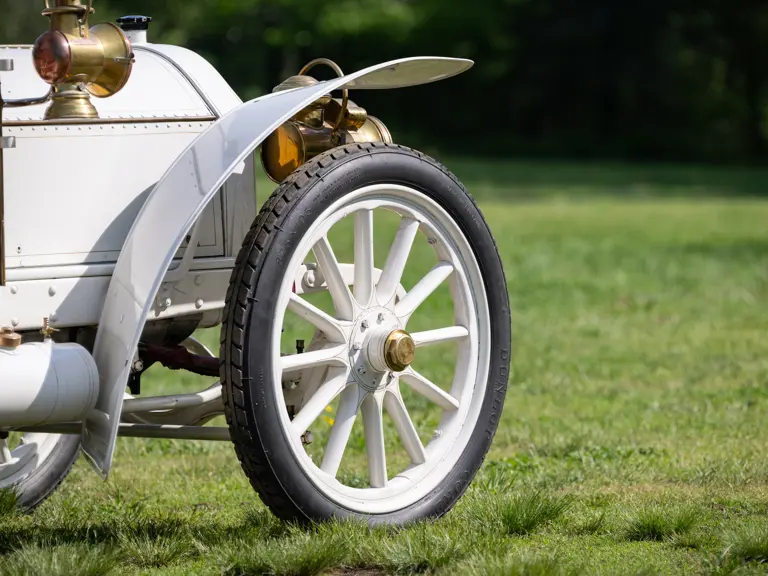
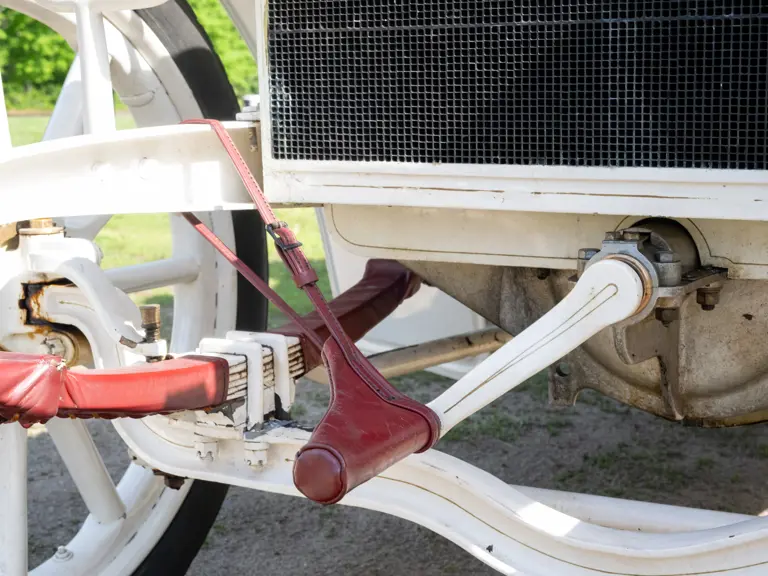
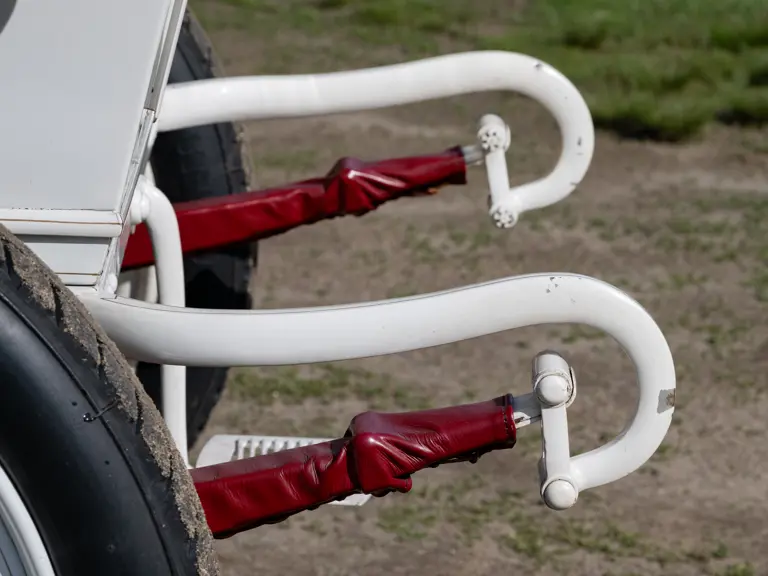
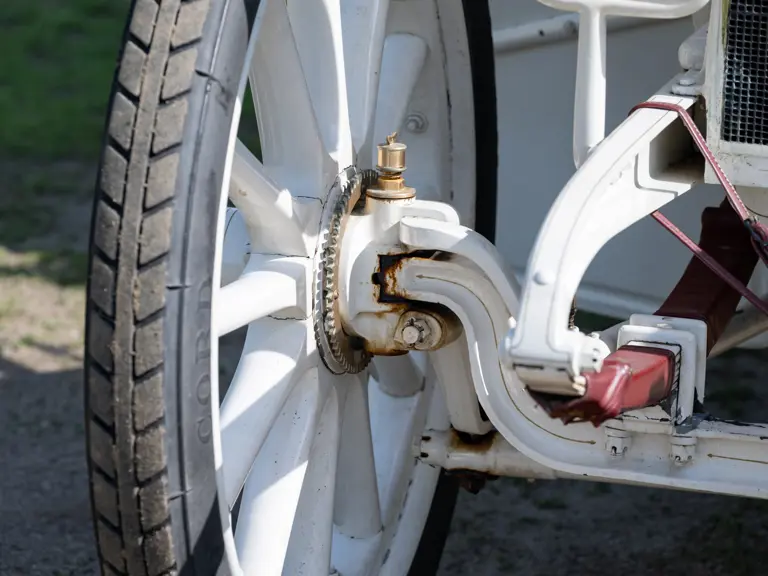
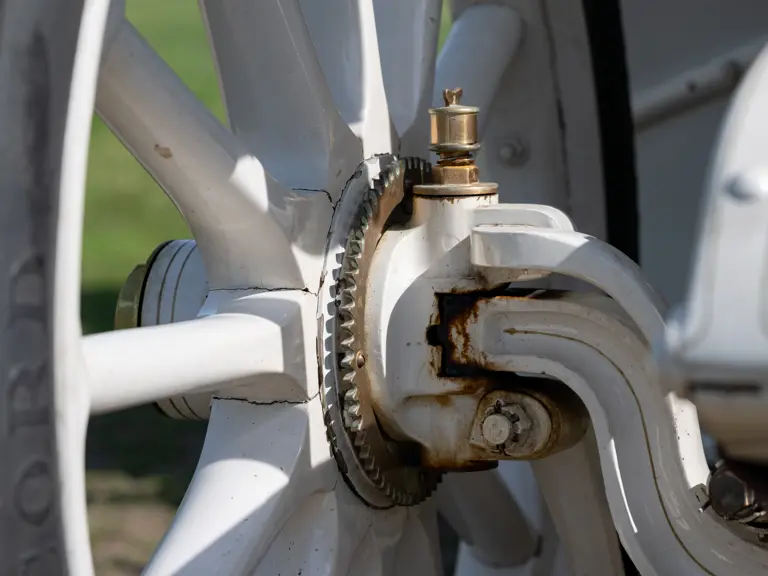
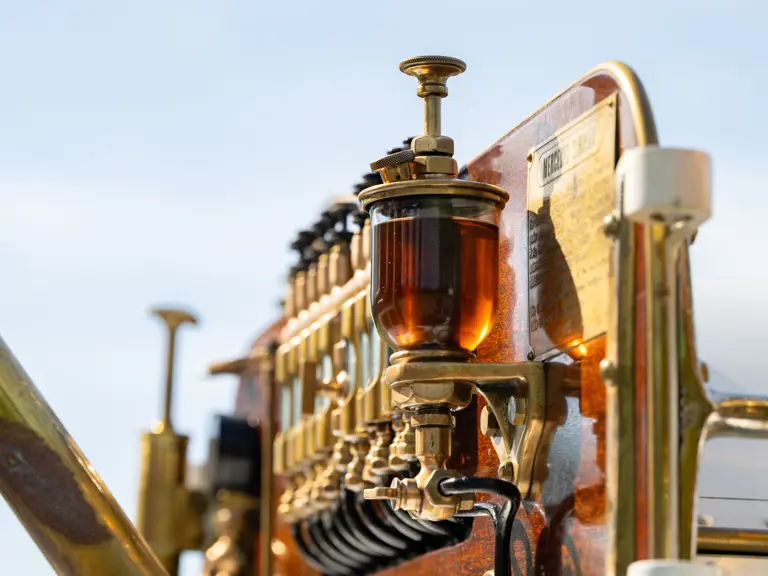
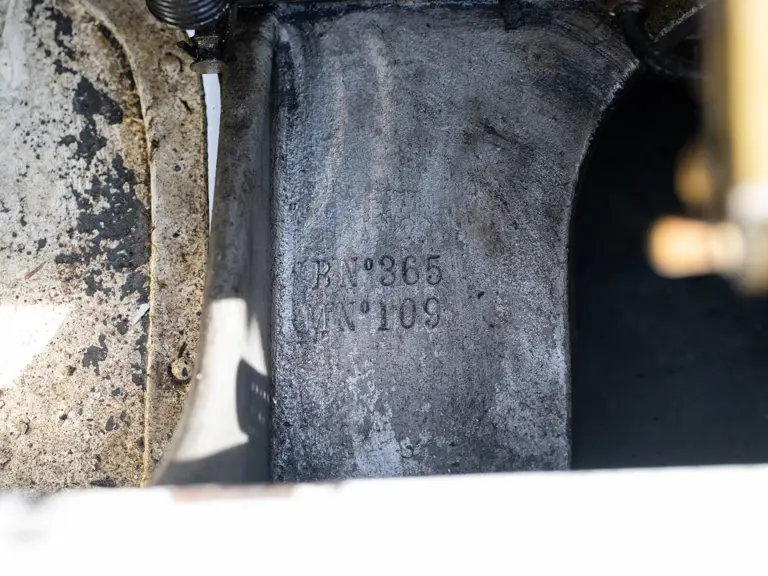
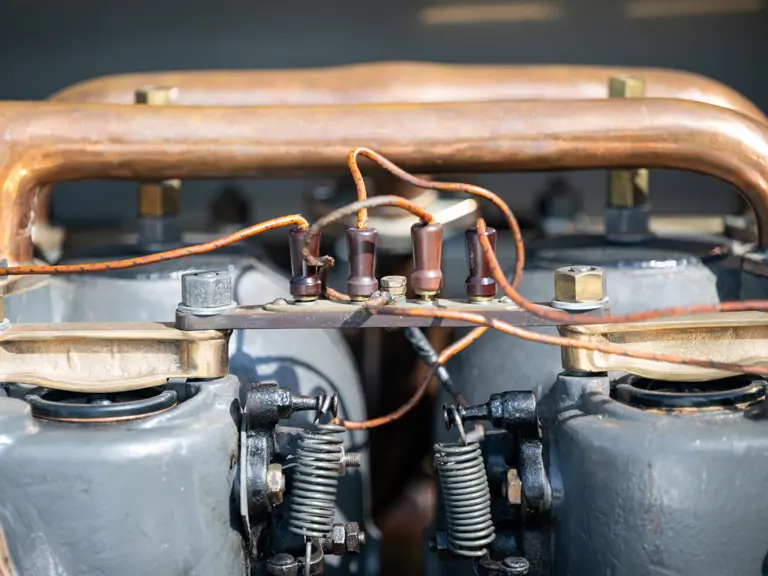
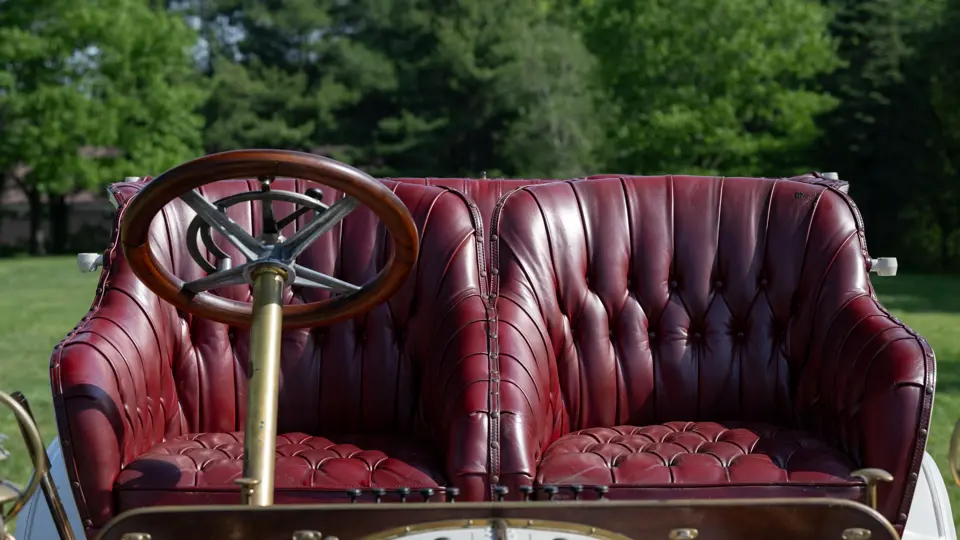
On inspection the Mercedes remains astonishingly, remarkably original, including not just its original coachwork, but the original fenders of paper-thin aluminum, with their delicate tapered brackets, and the original floorboards and panels. The correct make-or-break ignition system, so often replaced on these early cars, remains in place. Every single piece of trim and every single stamping is exactly what one would expect it to be, indicative of just how remarkably intact and preserved the car was when acquired by Waterman and Gibson, and how unusually thoughtful and sympathetic Ives and Olmsted were in restoration.
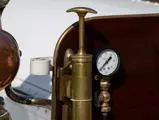
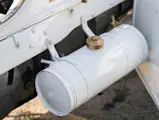
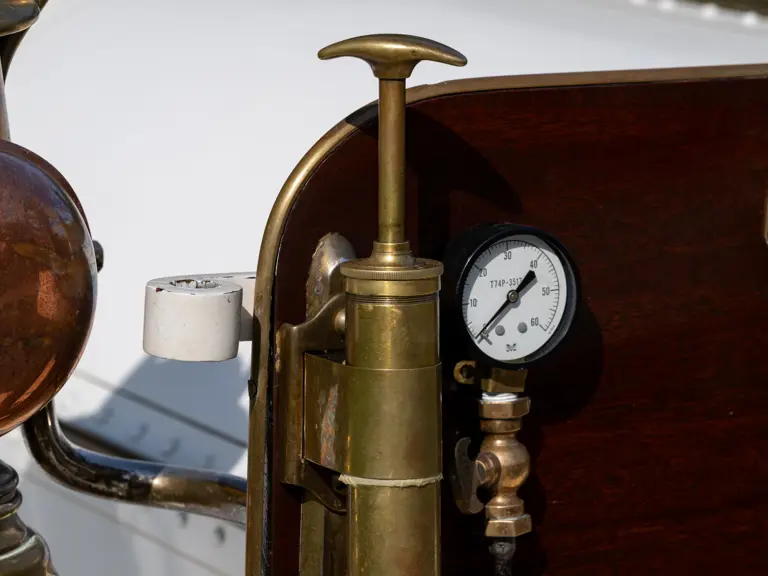
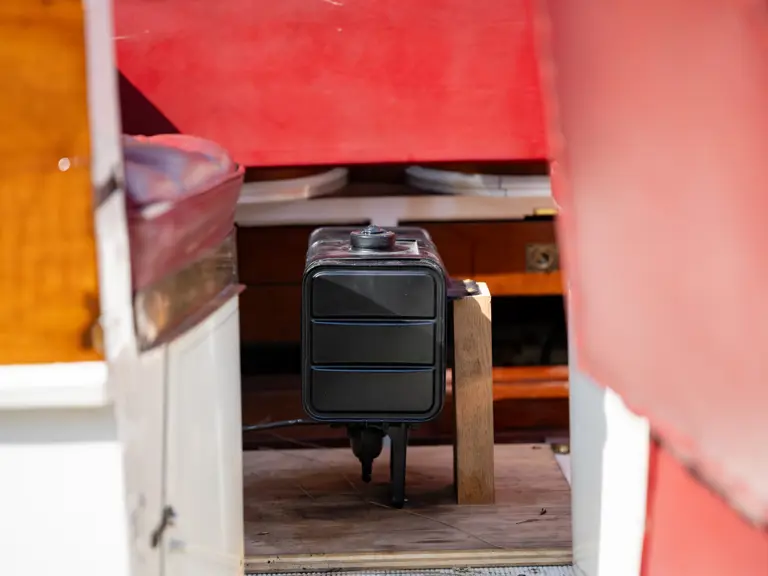
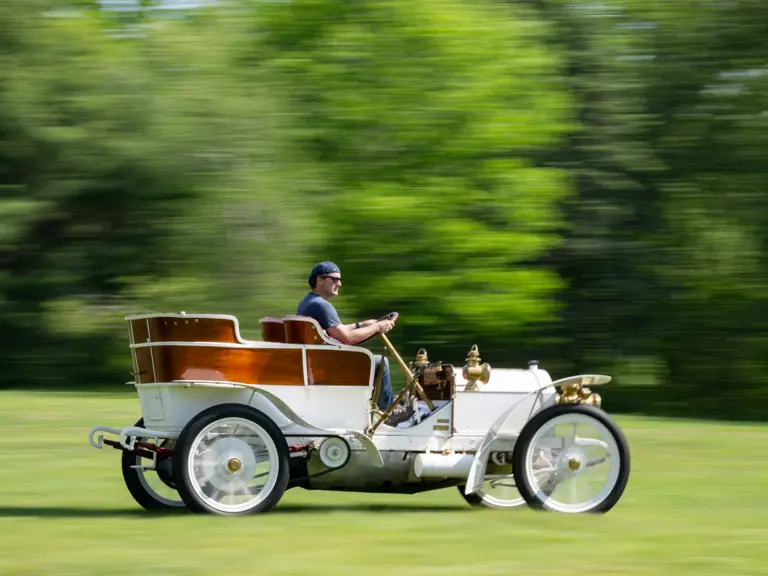
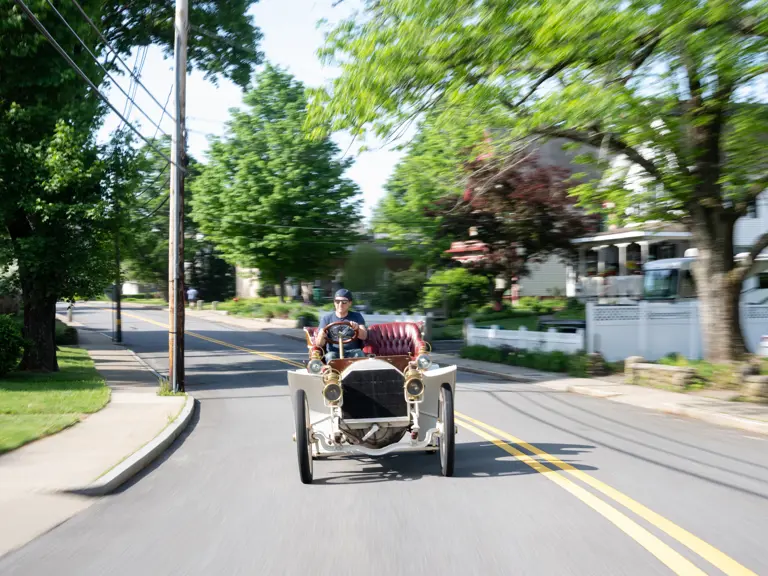
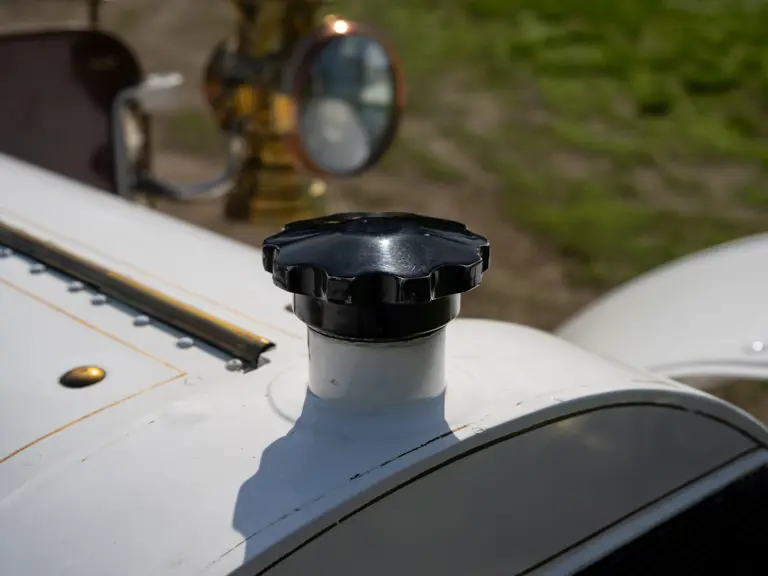
Because of the outstanding originality of its components, chassis number 2626 is perhaps the finest example of an early Mercedes surviving with original, factory-built coachwork. In preparation for sale, it has been recently serviced, including fitment of a new low-tension ignition coil, a full rebuilding of its original fuel tank, and restoration of the original fuel pressure system, with all its original lines and fittings. The car is equipped with a discreet, fully functional electric starting system for ease of use. In about 30 miles of recent exercise, it was noted as displaying breathtaking performance for a car of its era, effortlessly maintaining speeds on faster modern roads and showing no less enthusiasm when accelerating up prodigious grades. Proceeds from this sale will benefit the Owls Head Transportation Museum's STEM education programs, continuing the museum's pursuit of technological education well into the future.
Seldom shown outside of the Owls Head Transportation Museum in the last half-century, this extraordinary Veteran automobile now proudly comes to market, wearing its rich heritage and fascinating history as the finest survivor of one of the most dramatic, powerful, and fascinating machines of its time.
 | Monterey, California